What kind of porn addict are you?
A private quiz can help you understand your porn-use pattern: stress relief, habit, shame, secrecy, escalation, loss of control, or something else.
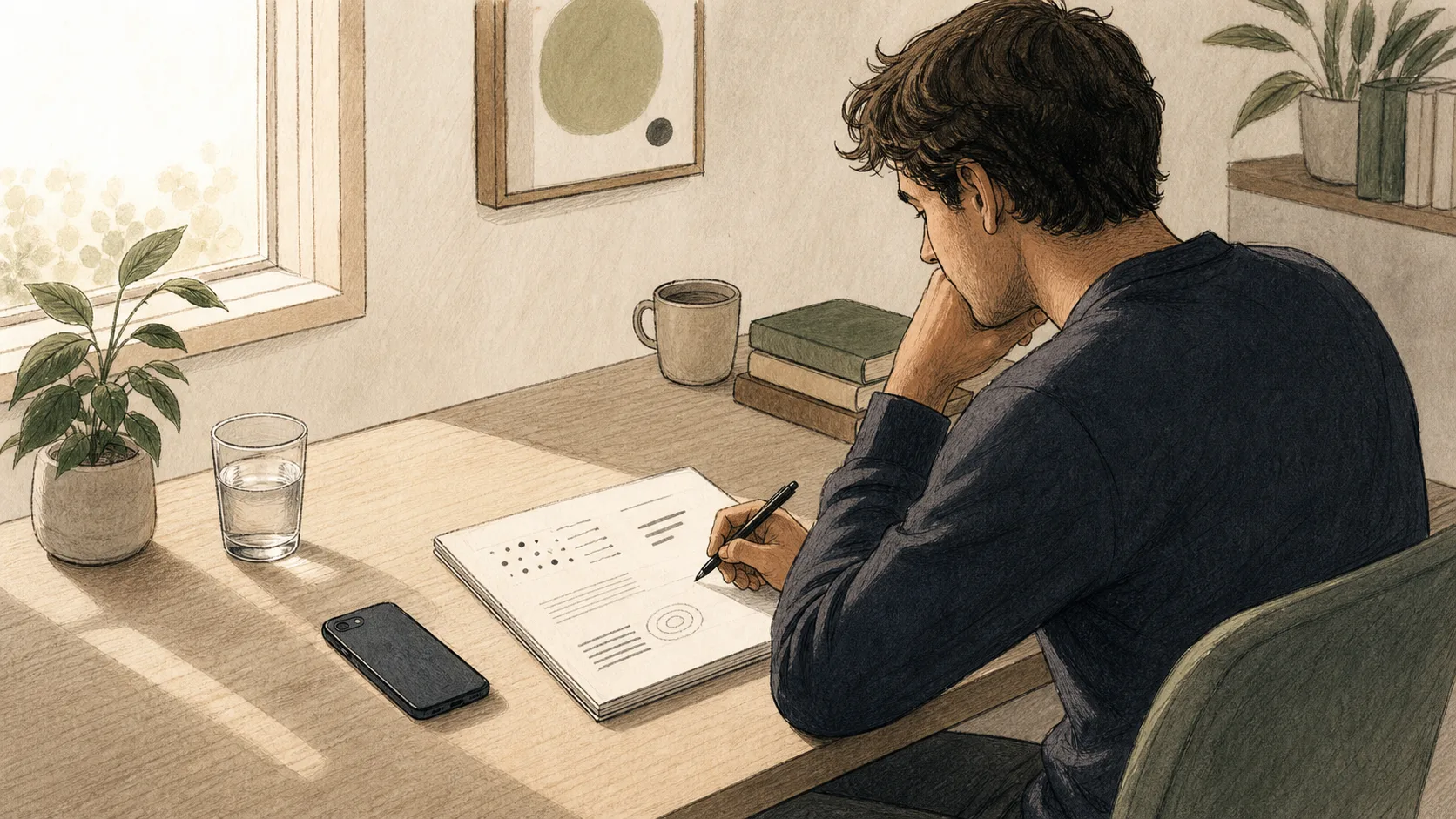
If you are asking "what kind of porn addict am I?", you probably already know the answer is not as simple as "too much porn."
People get stuck in porn for different reasons. For one person, porn is a stress valve after work. For another, it is a bedtime habit that runs almost automatically. For someone else, it is secrecy, shame, escalation, loneliness, anxiety, boredom, rejection, or the feeling that a day has already gone wrong so there is no point trying.
Those patterns can look identical from the outside. The solution is not identical.
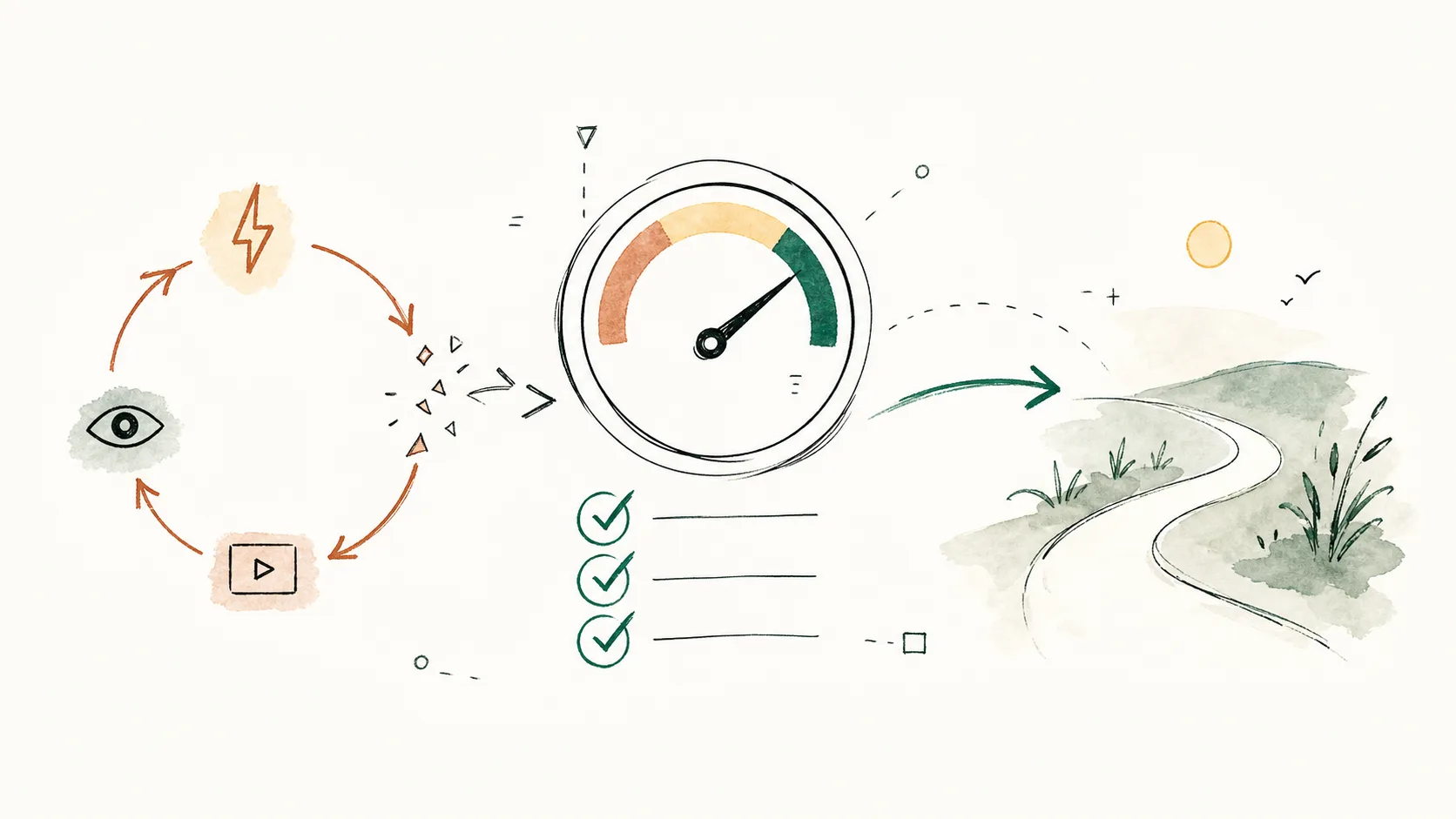
That is why Iris has a private porn-use pattern quiz. It does not diagnose you. It does not decide whether you are a good or bad person. It reads your answers across a set of evidence-informed patterns and gives you a clearer map of what role porn is playing for you.
Take the quiz here, or keep reading if you want to understand what it is looking for.
The wrong question: how much porn is too much?
Frequency matters, but it is a weak signal on its own.
Some people watch porn often and do not have a loss-of-control pattern. Some people watch less often and still feel trapped by it. The more useful question is not only how many times a week you watch. It is whether the behaviour is doing a job for you, and whether that job is starting to cost you.
Useful questions sound more like this:
- Do you keep trying to stop and then return in predictable situations?
- Do you use porn to change your emotional state?
- Do you watch for longer than you intended?
- Do you hide it from yourself or someone else?
- Do you escalate into material or scenarios that do not feel aligned with you afterwards?
- Do you feel worse after using, then use again to escape that feeling?
- Does porn affect your sleep, relationship, sex life, work, money, or self-respect?
If several of those land, the label matters less than the pattern. A quiz cannot replace a clinician, but it can help you stop treating the whole thing as one vague problem.
The main porn-use patterns
The Iris quiz looks for patterns, not identities. You may recognize more than one.
The stress-relief pattern
Porn functions like a pressure release valve.
The trigger is often stress, overload, anxiety, anger, rejection, or emotional compression. The person may not even feel highly sexual at first. Porn becomes a fast way to leave the current state. The loop is less "I wanted porn" and more "I needed not to feel this."
The work is not just blocking websites. It is learning what states predict the urge, building earlier exits, and replacing porn with something that actually changes the state without creating the next problem.
The automatic habit pattern
This one is about repetition.
Same time. Same device. Same room. Same first click. The person might not have a dramatic urge. The chain simply starts because the environment has trained it. Phone in bed, bathroom scrolling, laptop after work, private browsing after midnight.
The work is environmental. Change the device rules. Move the charger. Break the first action. Build friction at the exact point where the loop usually starts.
The shame spiral pattern
Here, the biggest problem may be the reaction after porn.
The person slips, feels disgusted or hopeless, interprets the slip as evidence about who they are, then uses again because the day already feels ruined. This is close to what relapse researchers call the Abstinence Violation Effect: one lapse turns into a cascade because of the meaning attached to it.
If this sounds familiar, read You watched porn. The next hour matters most. The first hour after a slip is often more important than the slip itself.
The secrecy pattern
In this pattern, hiding becomes part of the engine.
The person may be managing browser history, devices, accounts, subscriptions, explanations, or emotional distance from a partner. The secrecy adds pressure, and the pressure feeds the next use. This can be especially painful in relationships because the partner is not only reacting to porn. They are reacting to the hidden reality around it.
If you are on the partner side, start with Is my partner addicted to porn?.
The escalation pattern
Escalation does not always mean extreme material. It can mean novelty, more tabs, longer sessions, more personalized content, paid interactions, AI companions, or scenarios that feel further from the person's values afterwards.
This pattern is often driven by novelty and state change. The person may keep chasing the version of porn that used to be enough. If AI content is part of the loop, read AI porn addiction.
The withdrawal and craving pattern
Some people feel worse after they stop.
That does not automatically mean something is medically wrong. It often means porn was regulating stress, boredom, sleep, loneliness, or anxiety, and now the underlying state is exposed. Common experiences include irritability, low mood, restlessness, sleep disruption, sexual frustration, and intrusive urges.
For more detail, read Porn withdrawal symptoms.
The values-conflict pattern
Sometimes the distress is less about loss of control and more about conflict.
The person may be using porn in a way that clashes with faith, values, relationship agreements, sexual expectations, or their idea of who they want to be. That conflict still matters. But it is not always the same as compulsive sexual behaviour disorder, and it needs a different kind of plan.
The question is not "does porn violate a rule?" The question is "what rule do I actually want to live by, and what support would make that realistic?"
Why a quiz can help
Most people try to quit porn with one generic method:
- Feel bad.
- Make a big promise.
- Delete something.
- Start a streak.
- Hit the same trigger again.
- Collapse.
That can work for a few days. It rarely explains why the loop keeps returning.
A useful quiz should do three things:
- Separate frequency from function.
- Identify the trigger pattern behind the behaviour.
- Give a next step that fits the pattern.
That is what the Iris quiz is built to do. It asks about urges, state, secrecy, escalation, consequences, shame, environment, and attempts to stop. The result gives you a driver, a profile, and a practical read of what to interrupt first.
Is this a diagnosis?
No.
"Porn addiction" is the phrase many people search for, but the clinical language is more careful. The closest formal condition is compulsive sexual behaviour disorder, or CSBD, which ICD-11 classifies as an impulse-control disorder. Many people also use the phrase problematic pornography use.
The Iris quiz is a self-assessment and pattern map. It can help you think clearly about the behaviour, but it does not diagnose CSBD and it does not replace a therapist, doctor, or qualified clinician.
If you want a fuller self-check, read Am I addicted to porn?.
What happens after the quiz?
You get a result that explains the role porn appears to be playing for you and the kind of work most likely to help.
That might mean:
- Reducing access friction because your loop is environmental.
- Learning an urge protocol because your loop is state-driven.
- Changing the post-slip response because shame keeps turning one lapse into a binge.
- Getting outside support because the consequences are becoming serious.
- Combining a blocker with coaching because access control alone is not enough.
The goal is not to give you a new identity. The goal is to stop fighting the wrong problem.
Take the quiz
If you are trying to work out what kind of porn addict you are, start with the pattern.
The quiz takes about six minutes and gives you a private read of what is driving the loop.
Quit porn with Iris.
Iris is a science-backed coach for compulsive porn use, delivered on Telegram. Take the three-minute quiz to see if it's a fit.
Take the quiz →